

Design Systems
Scalable foundations that hold up across teams, platforms, and every touchpoint.
Scroll down
The perspective
Healthtech products rarely stay simple for long. What starts as a single app becomes a suite. What serves one user group expands to three. What worked with a small team starts to fracture as the organisation grows.
Design systems solve for this. They're the connective tissue between how something looks, how it works, and how it gets built - ensuring consistency, speeding up delivery, and reducing the costly drift that happens when every new feature is designed from scratch.
But a design system isn't just a component library or a Figma file. It's a shared language between design and engineering, a set of principles that guide decisions when no one's looking, and a foundation that lets teams move fast without breaking what already works.
In healthcare, this matters more than most. Users are often vulnerable, time-poor, or navigating unfamiliar territory. Inconsistency isn't just a brand problem - it's a usability problem, an accessibility problem, and sometimes a safety problem.
Design systems solve for this. They're the connective tissue between how something looks, how it works, and how it gets built - ensuring consistency, speeding up delivery, and reducing the costly drift that happens when every new feature is designed from scratch.
But a design system isn't just a component library or a Figma file. It's a shared language between design and engineering, a set of principles that guide decisions when no one's looking, and a foundation that lets teams move fast without breaking what already works.
In healthcare, this matters more than most. Users are often vulnerable, time-poor, or navigating unfamiliar territory. Inconsistency isn't just a brand problem - it's a usability problem, an accessibility problem, and sometimes a safety problem.

what this looks like
Where great ideas meet reality
Audit and assessment
Understanding what exists, where the inconsistencies are, and what's causing friction across design and development.
Design principles
The foundational rules that guide every decision - codified, documented, and built to last beyond any single project.
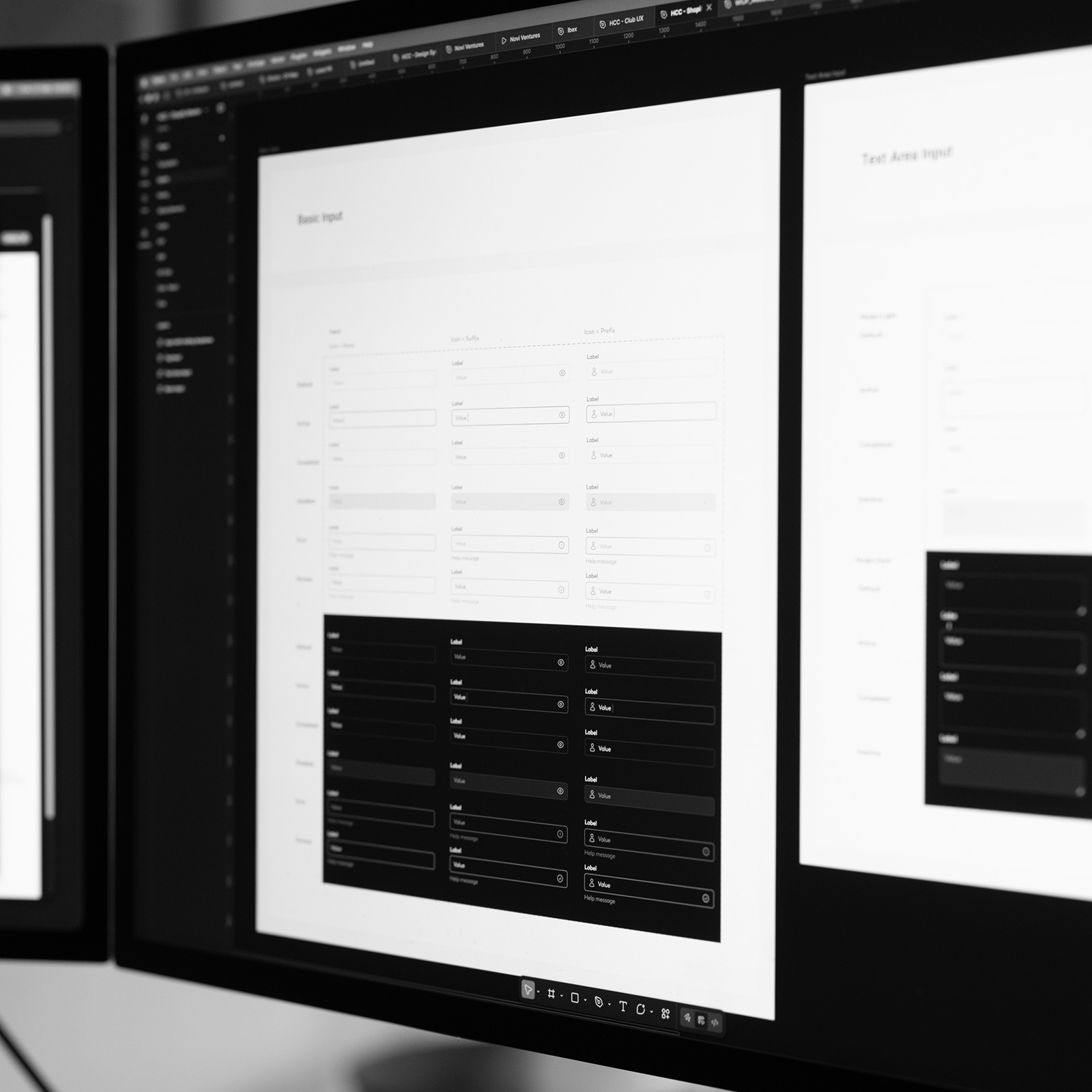
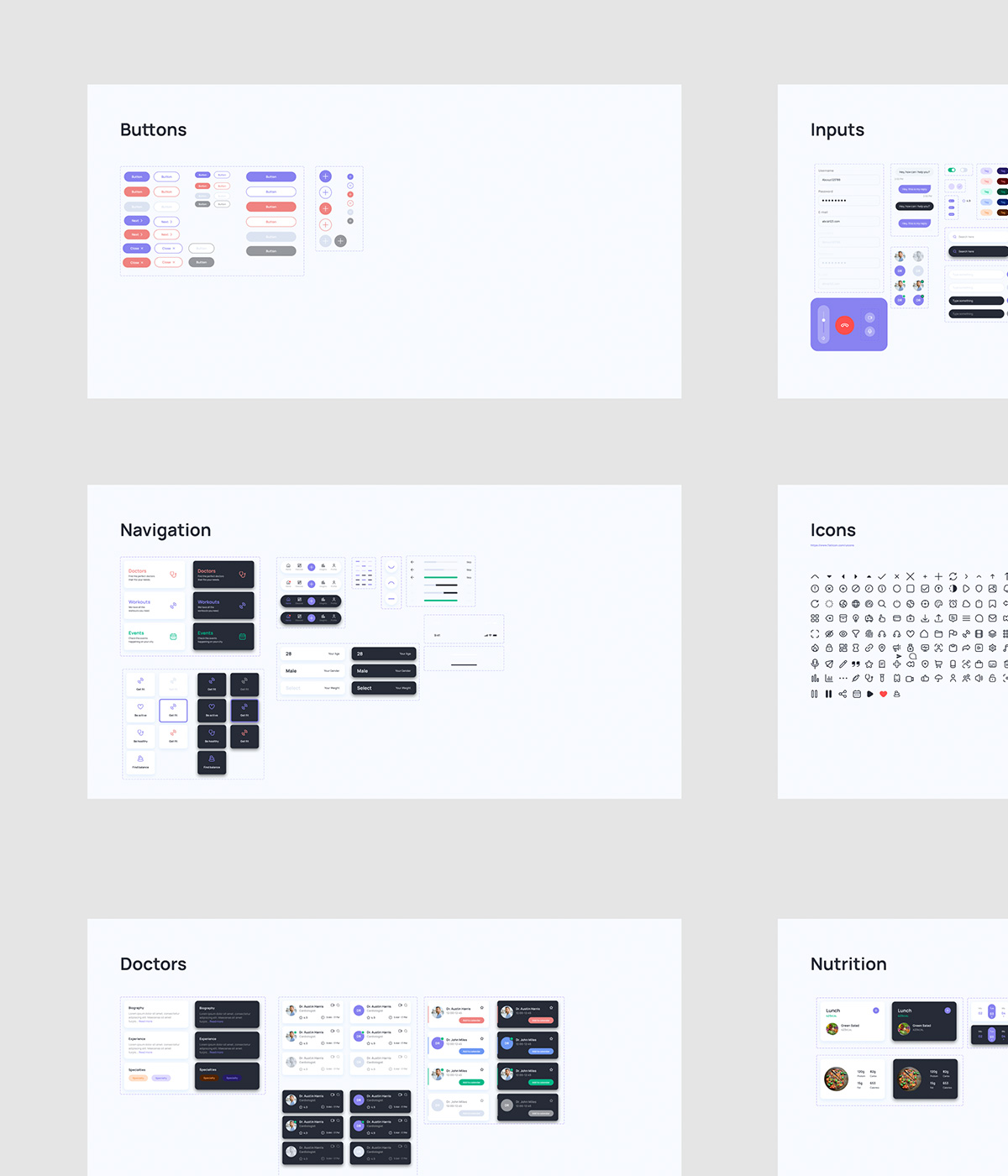
Component libraries
Reusable UI components built for flexibility and consistency - in Figma, code, or both.
Token systems
Colour, typography, spacing, and motion defined systematically - so changes cascade cleanly and nothing falls out of sync.
Documentation
Clear, usable guidance that helps designers and engineers apply the system correctly without hand-holding.
Governance and adoption
Processes that keep the system alive - contribution models, versioning, and the habits that stop entropy setting in.
accepting engagements
get in touch
Let's Talk
Projects typically start from £5,000.
Got something in mind? Let's talk it through.
Got something in mind? Let's talk it through.