
PUBLISHED -
March 5, 2026

A single source of truth for global drug availability

At any given moment, GSK has thousands of products moving through regulatory and commercial pipelines across dozens of territories. Knowing what's available, where, and under what conditions is the kind of question that sounds simple until you try to answer it at scale.

Before this project, that answer lived in spreadsheets. Dozens of them. Maintained by different teams, in different regions, updated at different intervals, with no single version anyone fully trusted. Regional managers spent hours chasing information that should have been at their fingertips. Global commercial teams were making decisions based on data that was already out of date by the time it reached them.

GSK needed something fundamentally different. Not a better spreadsheet. A purpose-built tool that could give their worldwide sales operation a single, reliable, always-current view of drug availability across every market they operate in.

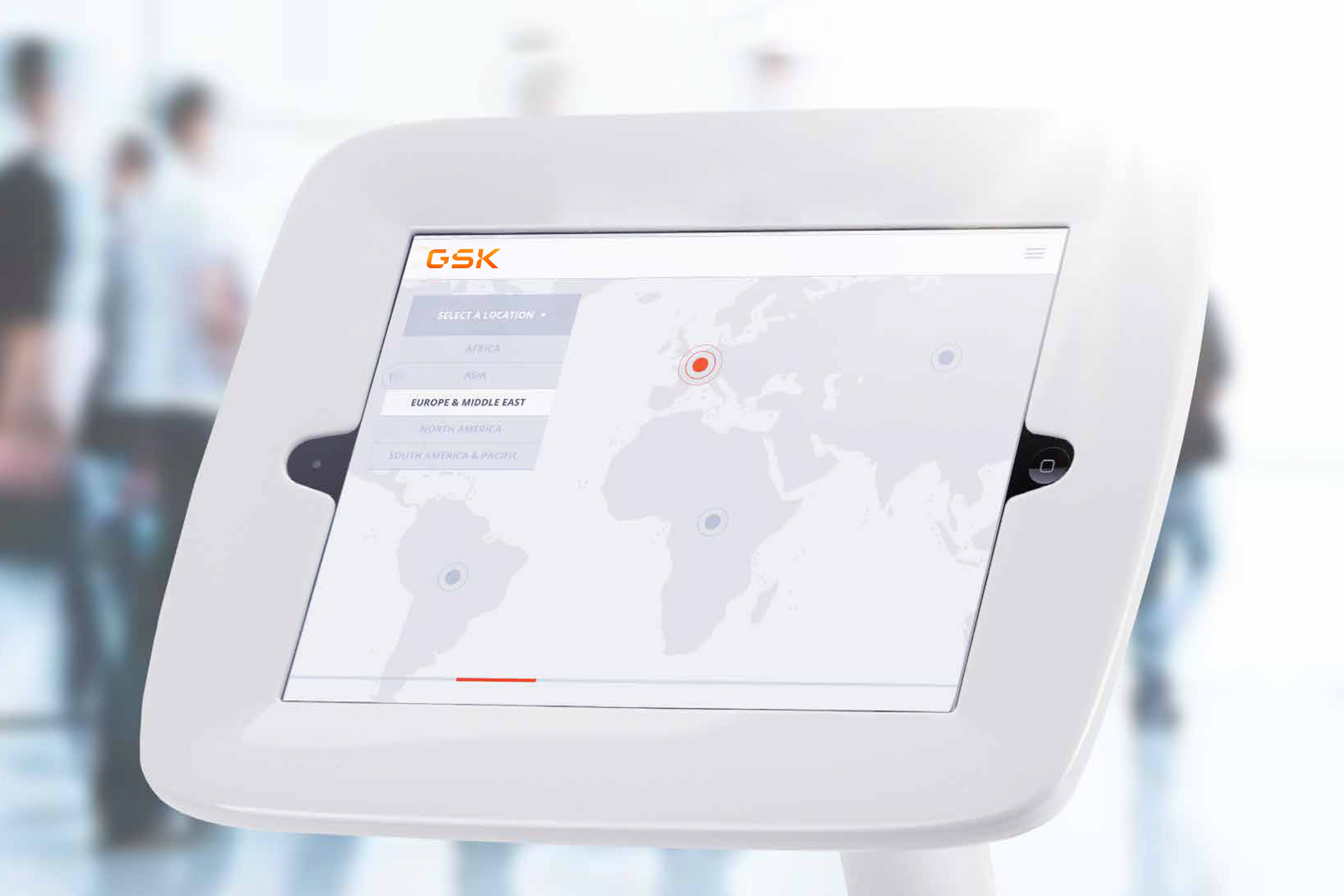
This wasn't a simple data visualisation project. The app had to accommodate the regulatory, commercial, and logistical reality of operating across dozens of territories simultaneously. Different approval statuses, different naming conventions, different timelines, different rules. The data architecture had to be flexible enough to handle that variation without collapsing into the same mess of exceptions and workarounds that had made the spreadsheets unusable. We built a native iOS application with a robust data layer capable of ingesting, normalising, and presenting complex, multi-territory pharmaceutical data in a way that made sense to someone checking it between meetings, not just to the person who built the database.

Deploying a native app into a global pharmaceutical company's ecosystem is a different proposition from shipping a consumer product. Security, compliance, device management, authentication. The app was built to meet GSK's enterprise requirements without compromising on the speed and usability that made it worth building in the first place. Offline capability ensured it worked in regions with unreliable connectivity. The architecture was designed to scale as new territories and product lines came online, so this wasn't something that would need rebuilding in eighteen months when the business grew.

GSK's global commercial teams went from chasing spreadsheets across time zones to having a single, trusted view of drug availability in their pocket. Regional managers could walk into any meeting with current data. The time spent gathering and reconciling information dropped dramatically, replaced by time spent actually using it. And the business had a platform that could grow with them, not another tool they'd outgrow before the next planning cycle.