PUBLISHED -
March 5, 2026

The life behind the pathway

Obesity care in the UK is built around clinical markers. BMI, calorie counts, referral thresholds. The pathway looks logical on paper. But for the people actually living with obesity, the experience of that pathway is something else entirely.

Emotional trauma, social stigma, years of generic advice that ignores everything they've already tried. The system measures the condition but rarely listens to the person.

We partnered with Huddersfield Health Innovation Partnership and Leeds Beckett Obesity Institute to do something about that. Not a literature review or a policy paper. A piece of original PPIE research, designed and led by our team, that put the people living with obesity at the centre of the conversation and asked the questions the pathway never does.
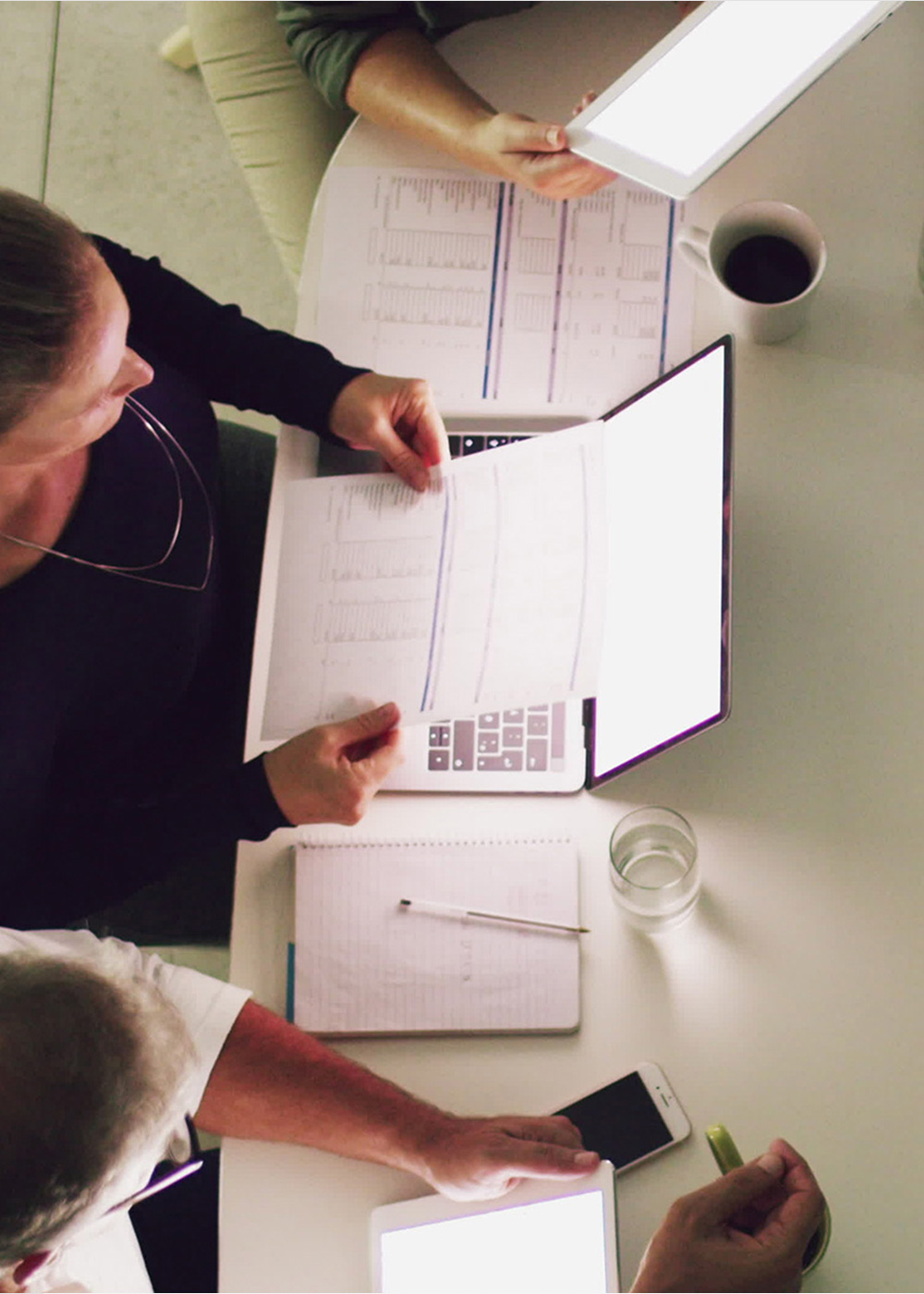
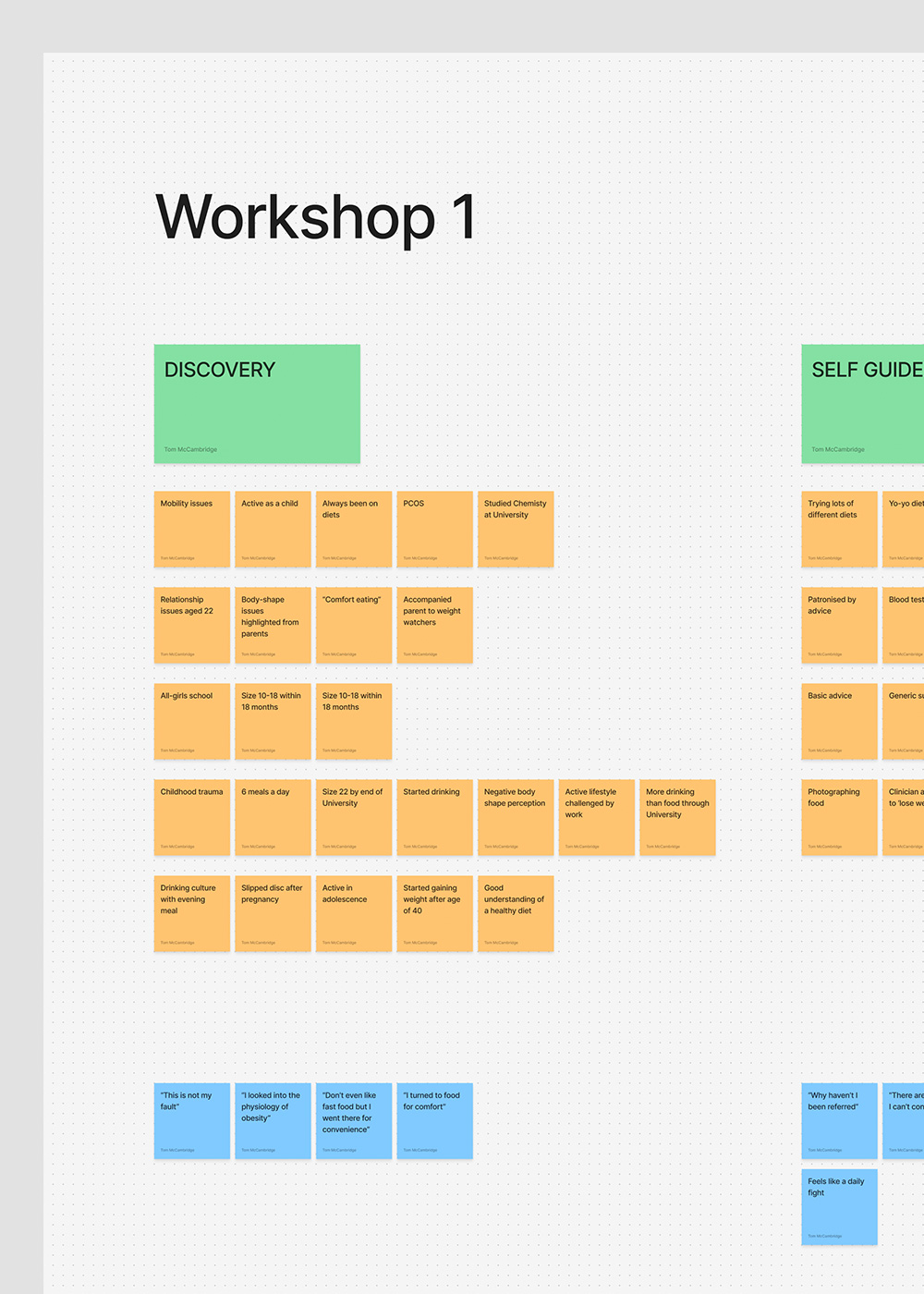
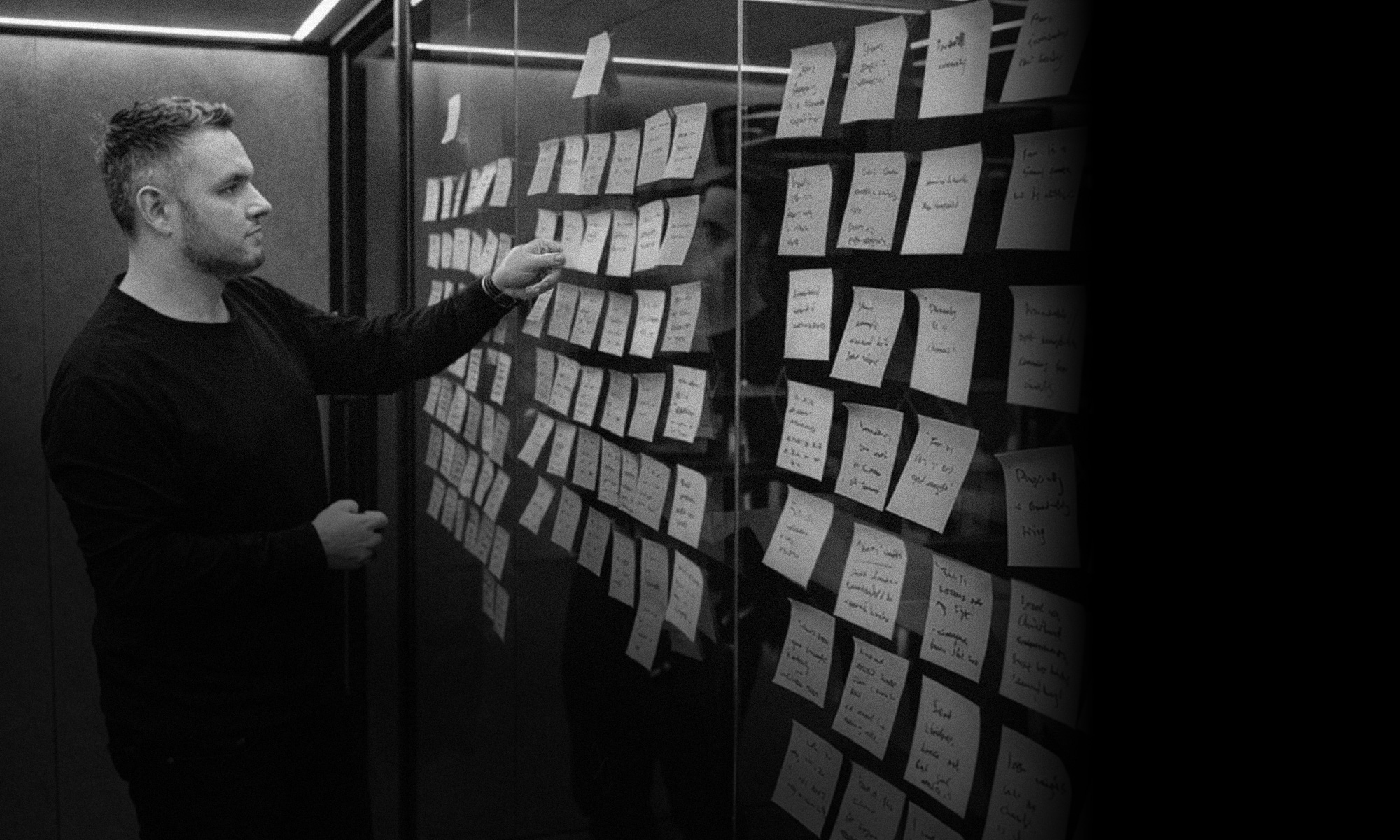
We built the methodology from scratch. A series of workshops exploring individual journeys, social and community impact, and the reality of living with obesity in the workplace. In-depth interviews with participants from diverse backgrounds, structured to surface the things that clinical assessments miss. Not just what the system does to people, but how it makes them feel. The kind of insight that only comes from sitting in a room with someone and giving them space to be honest.

The findings were uncomfortable. Participants described humiliation in healthcare settings, being reduced to a number on a scale in front of other people. They talked about carrying childhood trauma into adulthood, literally. They spoke about receiving the same advice from GPs that they'd already been following for years, and the quiet demoralisation of being told to try harder by people who'd never asked what they'd already tried. Weight stigma didn't stop at the clinic door. It followed them into the workplace, into relationships, into every part of life the pathway doesn't account for.

The findings went straight to the people with the power to change how obesity care works in West Yorkshire. What started as a series of workshops has become a body of evidence that challenges the assumptions baked into current pathways. And it's not finished. Research that changes how people think is only valuable if it eventually changes how things work.